Valorant, how to get so good it feels like smurfing
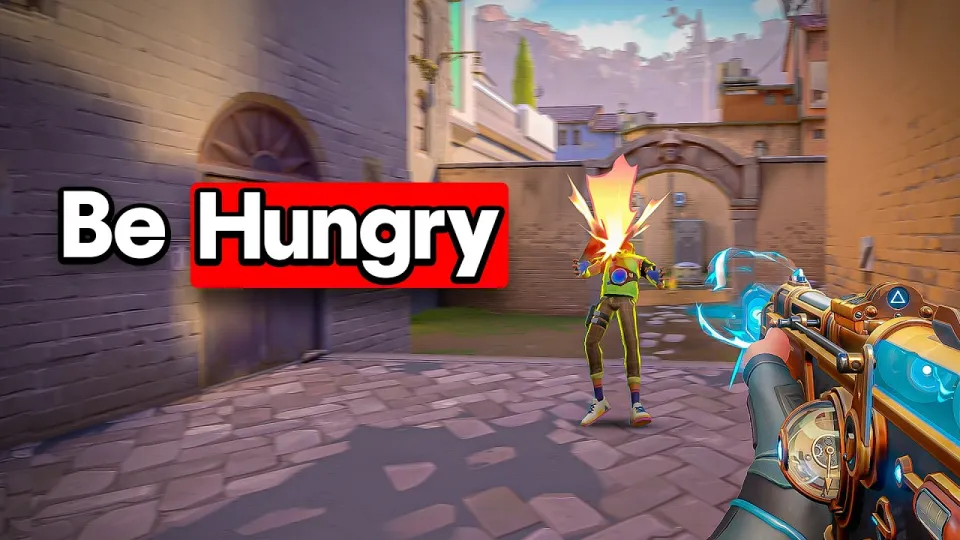
Video: How to Get So Good at Valorant it Feels Like Smurfing
Need articles like this for your video? They help promote it on YouTube and Google — order them in the Telegram bot @sat_sit_bot. Articles with your video embedded are written and posted by the bot itself — on popular topical sites (no ads). Free trial — 50 articles.
· based on the channel Konpeki
Key takeaways
- Smurfing is not a cheat code — it is the gap between your mechanics, your decisions and your opponents' expectations.
- The core habit: react to the enemy instead of running a scripted plan, so you stay unpredictable.
- Movement discipline (counter-strafe, stop before shooting) matters more than raw aim at most ranks.
- Konpeki's Immortal Roadmap Program is advertised as 5 divisions in 10 weeks, guaranteed.
- Free coaching resources and office hours run through the Konpeki Discord.
Getting so good at Valorant that it feels like smurfing comes down to three things: reacting to what the enemy actually does instead of running a scripted plan, keeping your movement and crosshair placement clean enough that every duel is winnable, and reviewing your own games so the same mistake never costs you twice. That is the framework behind Konpeki's guide "How to Get So Good at Valorant it Feels Like Smurfing", and it is also the honest version of every "how to smurf in Valorant" search: you do not need a second account, you need a bigger gap between your decisions and your opponents'. If you want a structured version of that process, Konpeki's Immortal Roadmap Program is the paid route he promotes, with free coaching resources and office hours in his Discord.
What "feels like smurfing" actually means in Valorant
Smurfing in Valorant means playing on an account far below your real skill level, but the feeling people chase is not the rank badge — it is the sensation that every fight is already decided before it starts. That feeling comes from being one step ahead: you know where the enemy will be, you take duels on your terms, and you punish habits they do not know they have. A real smurf wins because of the gap in game sense, not because of a secret setting. The practical takeaway is that you can build most of that gap on your main account, at your own rank, without breaking any rules. It shows up as winning more clutches, dying less to the same trick twice, and ending games with impact instead of just a decent K/D.
The core habit: react instead of running a script
The single most repeated idea in the guide is that you should react to the enemy and stay unpredictable, rather than executing a plan you made before the round started. Most players at Iron through Diamond lose rounds because they commit to a route, a timing or a duel and never update it when the information changes. Instead, build rounds in layers:
- Take the first piece of information (a sound, a utility line, a teammate's contact) and ask what it rules out.
- Choose the play that punishes what the enemy is most likely doing, not the play you practised most.
- Change your tempo — if you pushed fast twice, walk the third time; if you held the same angle all half, reposition.
- Only commit to a full execute when you have a numbers advantage or a clear utility read.
Unpredictability is not random aggression. It is the same player doing different things from the same starting position, so the enemy cannot pre-aim your timing. That is what makes a good player feel like a smurf to the lobby: nobody can build a read on you.
Movement and crosshair placement: the mechanics that make smurfing look easy
Mechanics decide whether your good decisions actually convert into kills. The two habits that separate clean players from messy ones are stopping before you shoot and keeping your crosshair at head level while you move. Counter-strafing — tapping the opposite movement key to kill your momentum — lets you fire accurately the instant you see an enemy instead of sliding into the shot. In deathmatch and the Range, practise strafing side to side and firing only at the moment your movement stops, not mid-swing. For crosshair placement, walk every map angle with your crosshair already on the corner you are about to clear, so a peek becomes a click rather than a flick. One viewer tip worth testing is turning the movement error multiplier down in settings to make your own strafing errors visible while you train. None of this requires Radiant aim; it requires that your first bullet goes where you are looking.
Utility and economy: win rounds before the fight starts
Utility is how you manufacture the advantages that make fights feel unfair for the enemy. On attack, use smokes and flashes to cut off the angles you cannot clear, then take space with a teammate rather than alone. On defence, save one piece of utility for the retake instead of dumping everything in the first ten seconds. Economy follows the same logic: buy with your team, not around it, and treat a save round as a real round where you play for a pick and a dropped weapon. Players who climb fast usually have boring, disciplined buy habits — full buys together, saves together, and no hero buys that leave the team on pistols. When your utility and money are managed, you start rounds with the same advantages a higher-ranked player would have.
Review your own games like a coach
VOD review is the cheapest way to gain rank, and almost nobody does it properly. Watch your own deaths, not your highlights, and for each one write down one sentence: what information did I ignore? Most players find the same three mistakes repeating — peeking without utility, holding an angle too long, or rotating late. Fix one mistake per week instead of trying to fix everything at once. A simple routine works: after every two or three competitive games, spend ten minutes on the replay, clip your deaths, and label each one as aim, positioning or decision. If the label is "decision" three times in a row, that is your focus for the next session. This is the same loop a coach uses, and it is why paid programmes like Konpeki's advertise fast rank gains: accountability and repetition, not magic.
Ranked discipline: habits that turn skill into RR
Your rank reflects your habits across dozens of games, not your best game. Play a fixed, small agent pool so your utility usage becomes automatic, and queue when you are actually fresh — tired queues are where most losing streaks start. Mute toxicity early, communicate only useful information, and stop playing after two losses in a row rather than chasing the RR back. Warm up for ten to fifteen minutes before your first competitive game, and treat every round as winnable even when the scoreboard looks bad; comebacks in Valorant are common because economy and ultimates swing fast. Finally, track your progress weekly rather than per game, so a bad night does not convince you that nothing is working.
Common questions players ask about smurfing and climbing
A few themes come up constantly in the comments under coaching content, and they are worth answering directly. Players ask whether they need a second account to feel like a smurf — no, and smurfing on a lower account usually builds bad habits because opponents stop punishing your mistakes. Others ask whether they should grind aim trainers or play more ranked: both, but aim training only pays off if your crosshair placement and movement are already disciplined, otherwise you are polishing a skill you never use correctly. Console players ask whether this advice applies to them — the decision-making, economy and review habits transfer directly, while movement and aim technique need controller-specific practice. And beginners ask what to do first: pick two agents, learn one map's callouts properly, and review your deaths before you worry about advanced strategy.
Useful links from the guide
- Immortal Roadmap Program application: https://roadmap.gg/v/lUfrMRb74SE
- Free coaching resources and office hours (Discord): https://www.discord.gg/UnRETVmRpV
- Konpeki on Twitch: https://www.twitch.tv/konpekichan
- Konpeki on Twitter: https://twitter.com/coachpeki
- Konpeki on TikTok: https://www.tiktok.com/@coachpeki
Final word: build the gap, not a second account
Getting so good at Valorant that it feels like smurfing is a process, not a setting: react to information instead of forcing a plan, keep your movement and crosshair clean, use utility and economy to create unfair fights, and review your own deaths until the same mistake stops appearing. Do that consistently and the lobby will start feeling slower than you, which is exactly the sensation smurfs chase. Konpeki's breakdown is a useful starting point because it treats improvement as a set of habits rather than a talent you either have or do not. If you want the structured version, apply to the Immortal Roadmap Program and start with the free resources in the Discord before you commit to anything paid.
Questions & answers
Do I need a smurf account to play like a smurf in Valorant?
No. The feeling of smurfing comes from being ahead of your opponents' decisions, and you can build that on your main account. Playing on a lower-ranked account usually teaches bad habits, because weaker opponents stop punishing your mistakes and your improvement stalls.
Should I practise aim or game sense first to climb faster?
Start with game sense and movement, then add aim training. Crosshair placement, counter-strafing and reacting to information decide most duels at low and mid ranks. Aim trainers help once your mechanics are disciplined enough that you actually use that aim in real fights.
Does this advice work for console players on PS5 or Xbox?
The strategic parts transfer directly: economy discipline, utility usage, positioning and VOD review all work the same on console. Movement and aim technique need controller-specific practice, so adapt the Range drills to your sensitivity and input rather than copying PC routines exactly.
How often should I review my own games?
A short review after every two or three competitive games is enough. Clip your deaths, label each one as aim, positioning or decision, and pick one repeating mistake to fix that week. Ten focused minutes beats an hour of watching highlights.
Source: How to Get So Good at Valorant it Feels Like Smurfing · Markdown version